It started with the Blue whale. First time I saw one off the coast of Gaspésie, Quebec, in 2015, I was little more than a smalltown reporter, covering sports, municipal council meetings and agriculture (potato processing, etc.) in rural PEI. Actually, I was less than that, having quit my cozy gig to attempt a freelance career in “conservation journalism,” a job and title I invented on the spot so I could write exclusively, or at least mostly, about the premier crisis of our time – biodiversity loss.
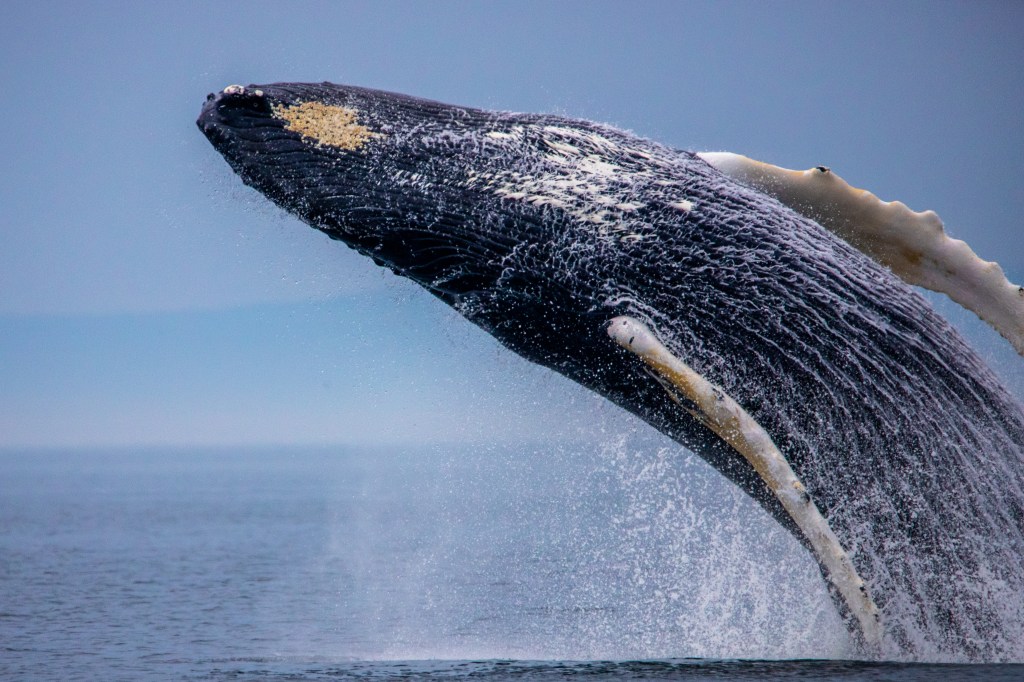
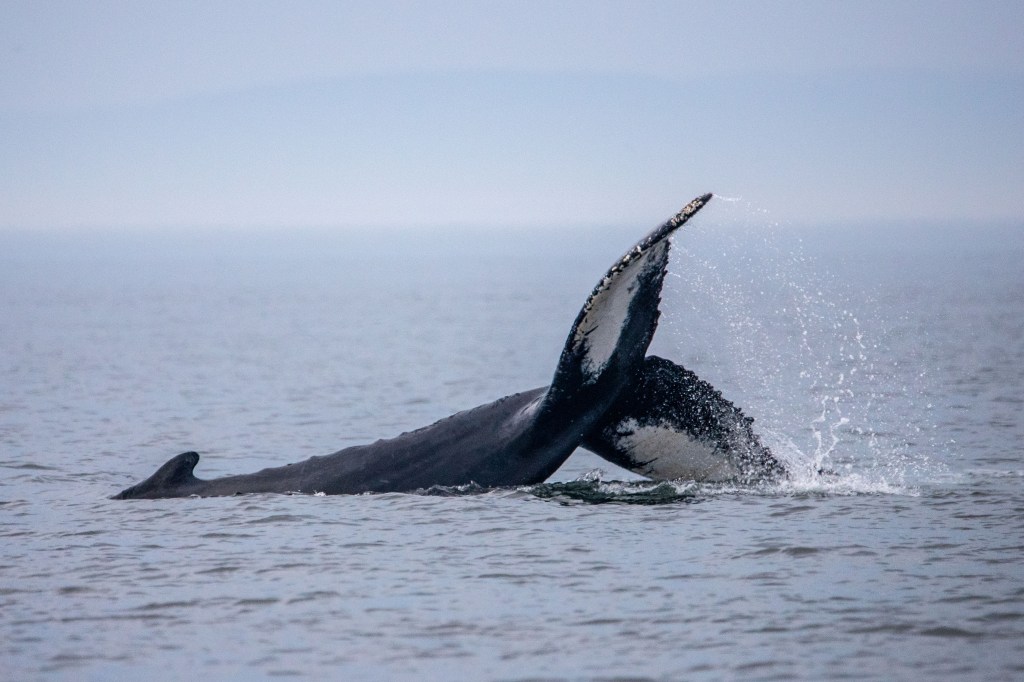
Then I saw the whale. The research vessel on which I’d hitched a ride, owned and operated by the Mingan Island Cetacean Study (MICS), crossed this giant’s path nine minutes after leaving harbour, and she put my considerable doubts – about freelancing, about conservation journalism, about squaring these things with my paltry finances – permanently to bed. It was a struggle at one time, in the newsrooms of my youth, to stay engaged in subjects like lobster price and milk quota, but no amount of research was too cumbersome when it came to the critically endangered Blue whale, titans sliding by our boat in ones and twos, their prodigious appetites admitting to the wealth of the ecosystem just beneath the water’s surface. I could write about them for years, and did.

It was a shoestring existence, and sometimes still is, but I’ve written about endangered species and ecosystems ever since, allowing them to be the main characters in their own stories, and getting away from the cliched, platitudinous and overly romantic language dominating all conservation dialogue since the 1960s. I pride myself on detail, context, and never sparing the keyboard when more needs to be said.
Life has spent billions of years saturating every inch of this planet’s surface, converting water, rock and gas into something hospitable. Million of species have fused together into hundreds of ecosystems unique and stable, allowing life to compete and cooperate toward a common goal of survival, one whose byproducts include a breathable atmosphere, meandering rivers, the harnessing of sunlight for sugar, and the endless recycling of dead things into more living things. I was swept away by this epic narrative a long time ago, and now, helping others appreciate biodiversity and the ways in which we’re dismantling it, is become my humble mission.
That mission was originally restricted to the Canadian Maritimes – Nova Scotia, New Brunswick and PEI, with the occasional and invariably eventful sojourn north into Gaspésie – but in time my radius stretched to include Newfoundland, Labrador, Quebec, Ontario, and finally the rest of Canada. My coverage is now national, concerning everything from the quirky cognition of beluga whales to the 27 known mating strategies of various lichens, from the critically endangered Atlantic caribou, to the critically endangered American chestnut. My work nevertheless centres on my adopted home of British Columbia.
I’ve written several hundred articles and columns on the themes of conservation and biodiversity for publications regional and national, and have turned out over a dozen books of fiction, inspired, inevitably, by all my non-fiction. The best of my work will be reported on this site, along with dashier content meant only for The Wandering Rook. The stories presented here cover just a portion of the larger biodiversity crisis, but everything will be as informative as I can make it.
If you’re a publication keen for my kind of content, or a conservationist yourself in need of thoughtful coverage, please get in touch. I also write gleefully on the subjects of history, sustainable agriculture, climate change, endangered languages and whatever else strikes my fancy.

 The Wandering Rook