I joined the Travel Media Association of Canada (TMAC) in 2018, and haven’t had a quiet summer since. While the act of going places, doing things, and wrapping it all up in an article might sounds luxurious – and I’m certainly not complaining – it’s work, especially if you prefer the calibrated discomfort of the great outdoors, like me. Stepping into wild places, and stepping back out with sufficient interviews and photos for later wordsmithing, can run a man off his feet.
I rarely distinguish my travel journalism from my conservation journalism, except that travel journalism has a wider focus. More often than not, the “destination” I’m profiling is attractive not for its resorts or cuisine (though some have surprised me with both) but for its unique and strange ecology, its storied natural and human history, or its endangered denizens.
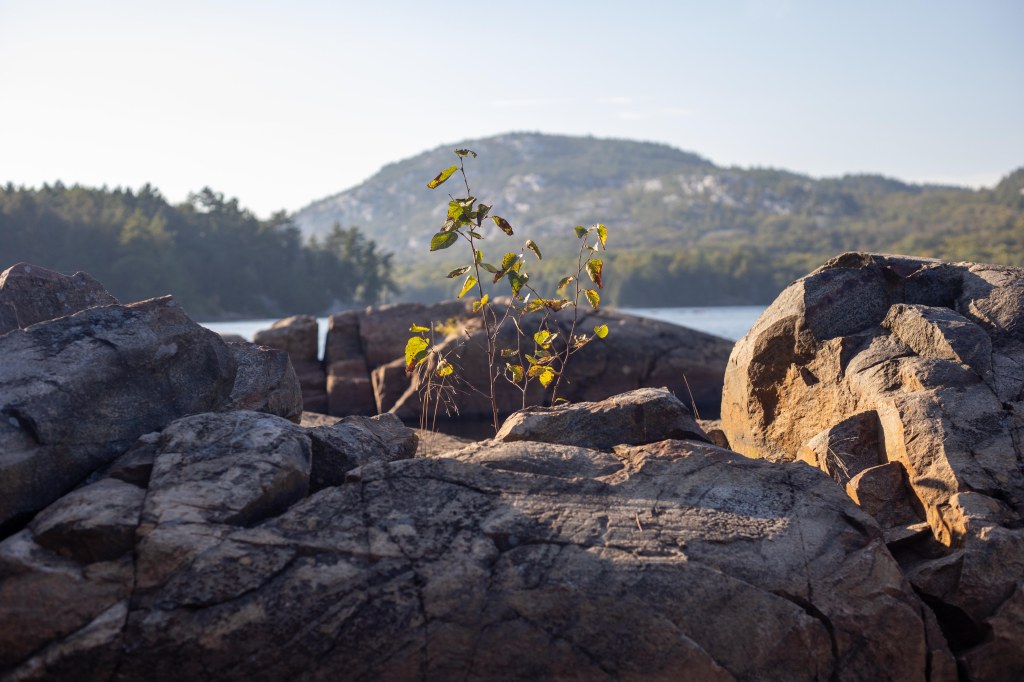
So if you’ve come for the “Top Ten Scenic Lookouts of Wherever,” or “Best Eating in This Particular Urban District,” you’ve most definitely come to the wrong place. I’ll instead try convincing you to linger over the smallest relics of L’Anse anx Meadows, because they’re our only tangible proof the Vikings sailed as far south as New Brunswick. I’ll ask you to look past the extraordinary experience of paddling with belugas and consider the extent to which these magnificent mammals possess language, and how they might be using it. I’ll explain why Killarney is beautiful, of course, but also how artists, and not conservationists, turned it into the crown jewel of Ontario’s provincial park network.
If my travel articles are biased toward Canada, it’s only because there’s so much to see here, and if they’re centred on the wild, the natural, the historic and the nuanced, it’s only because I can’t help myself.

 The Wandering Rook