
Sphagnum moss is an ecosystem engineer like any other. Well, maybe not exactly like any other. It doesn’t build dams like beavers or underwater forests like kelp. Instead it builds bogs.
When certain species of sphagnum come together in open wetlands, they constrict the flow of water to a trickle, then rapidly and relentlessly metabolize available nutrients and cations. The result is a wetland with very acidic, nutrient poor, stagnant water in which only the hardiest species can grow. Namely, more sphagnum.
Here’s where things get weird – when this sphagnum dies, its doesn’t decompose, at least not very fast. It’s preserved by the acidic waters in which it swims, pickled by it very own vinegar, soaking up and storing moisture with intact capillaries. It becomes “peat,” the undead moss of days gone by. But where, then, does the next generation of sphagnum grow? Atop the peat, of course, each generation layered over the last.
This is how bogs are born, and how they grow, swelling like inflatable mattresses of biomass, living moss on top, dead peat below, deriving all nutrients from rain and soaking the water table skyward, spongelike. The ability of bogs to pack away peat makes them one of the most important carbon sinks we’ve got. Peatlands (of which bogs are one example) account for only 3 per cent of all land, but contain 30 per cent of all soil carbon. North of the 45th parallel, peatlands sequester an average of 23 grams of carbon per square metre per year.
“It’s often quoted that peatlands contain more than twice as much carbon as the world’s forests,” said hydrogeologist Lauren Somers of Dalhousie University.
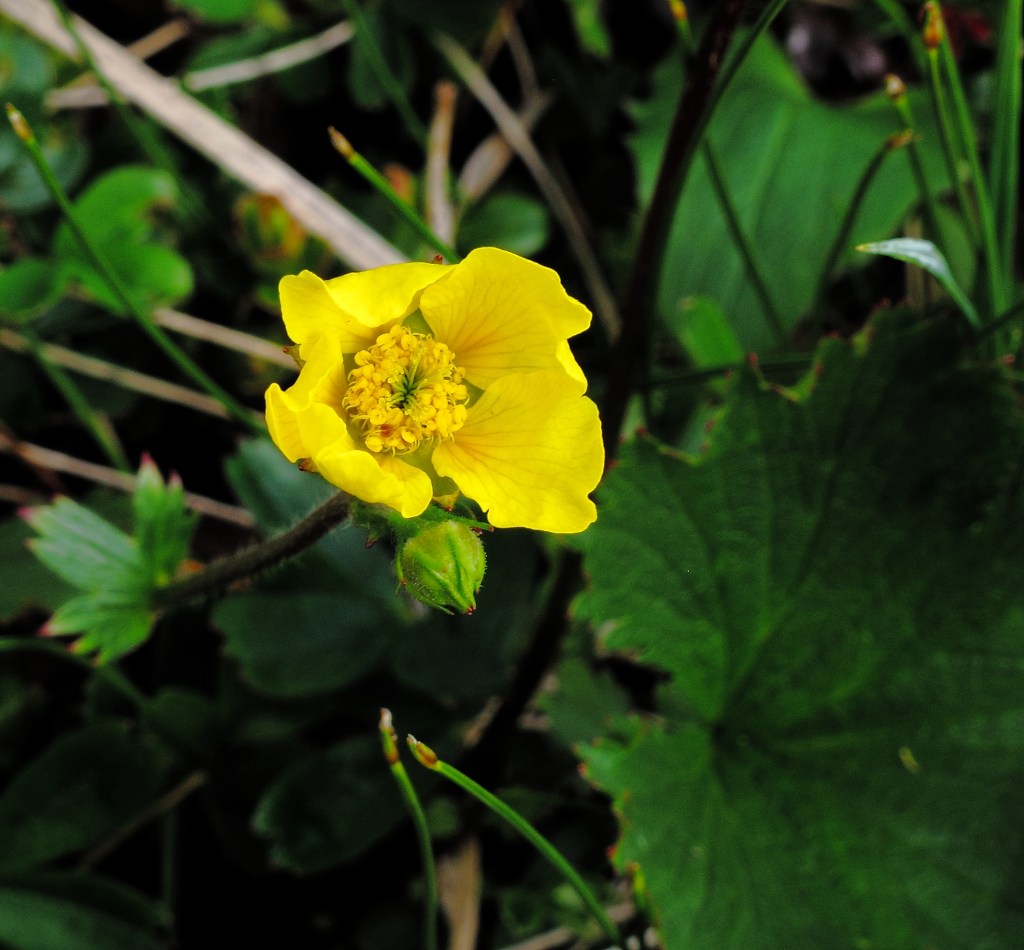
Big Meadow Bog on Brier Island, Nova Scotia, is 65 hectares in size and about 750 years old, its claim to fame the critically endangered Eastern Mountain avens growing on its border, and, more recently, the herculean efforts dedicated to its restoration.
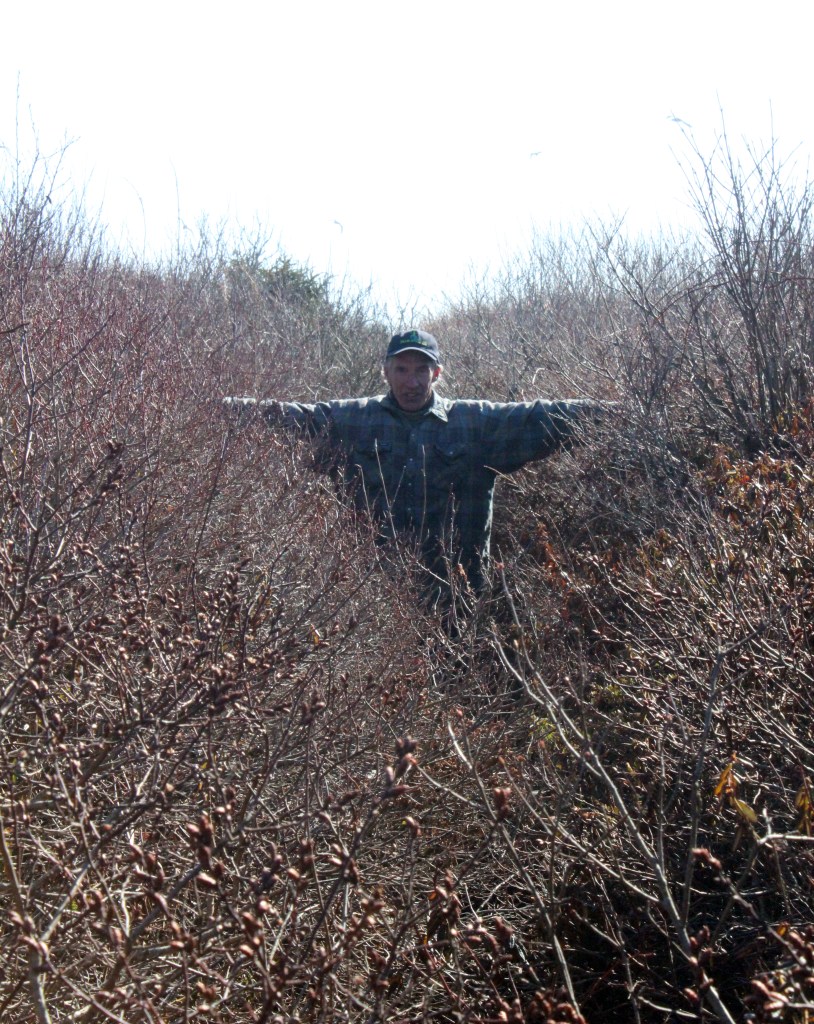
This bog was ditched in 1958, then abandoned when crops wouldn’t take. Several unpleasant things happen when you drain a bog. For one, its stored peat is exposed to air for the first time in centuries, and begins to rapidly decompose, releasing carbon dioxide and methane like an uncapped gas well. If nutrients find their way back into the system – via fertilizer, for example – they are “volatilized” by the acidity, producing powerful greenhouse gasses like nitrous oxide, and supporting the invasion of less hardy species, like raspberry, even trees.
“This all happens very quickly,” said Nick Hill, botanist and ecologist with the Southwest Nova Biosphere Reserve Association. “Your bog can do one of two things. It can keep sequestering carbon and maintain its carbon storage, or you can drain it and send that carbon away.”
Choosing the former, a coalition of conservation, research, academic and governmental institutions came together in 2017 to restore Big Meadow Bog. That year, 150 ditch blocks where installed throughout, and pretty much immediately, the water table began to rise, submerging old peat and drowning the roots of invading trees. From there, sphagnum should have reasserted control, and probably would have, had it not been for the gulls.
When the wetland initially dried, a colony of Herring gulls – fatted on nearby mink farms – established itself in Big Meadow Bog and began bombarding its interior with nitrogen and phosphorous. It was assumed, said Hill, they would relocate when things got wet, but they didn’t. Instead they built their nests a little higher, on piles of leaf litter beyond the reach of the restored water table, clinging stubbornly to habitat no longer ideal. Their droppings are forestalling the bog’s recovery, amounting to chemical warfare.
“We’re still seeing sphagnum come back,” said Hill, “so we’ve got a fight on our hands between the nutrients the gulls are bringing in, and the sphagnum which is trying to absorb those nutrients and recreate acidity. If the gulls weren’t fertilizing the ecosystem, we’d have the bog back.”

It’s important to preserve pristine bogs, said Hill, both for their carbon storage and sequestration, but it’s equally important to restore damaged ones. There are several in Nova Scotia, he said, especially in the Annapolis Valley, which have been ditched and abandoned. Big Meadow Bog was meant to be a proof-of-concept, a blueprint for others to follow, and if gulls can be convinced to leave, it should become exactly that. So far, however, no solution’s been settled upon, the bog remaining two-thirds unrestored. “We want to show that restoration is possible,” said Hill. “If we find out how to stop the gulls, it’ll take about 25 years for the rest of the bog to go back to normal. That’s not impossible.”
Zack Metcalfe is a freelance journalist, columnist and author based in Salmon Arm, BC. A version of this article was originally published with the Climate Story Network.

 The Wandering Rook
Leave a comment